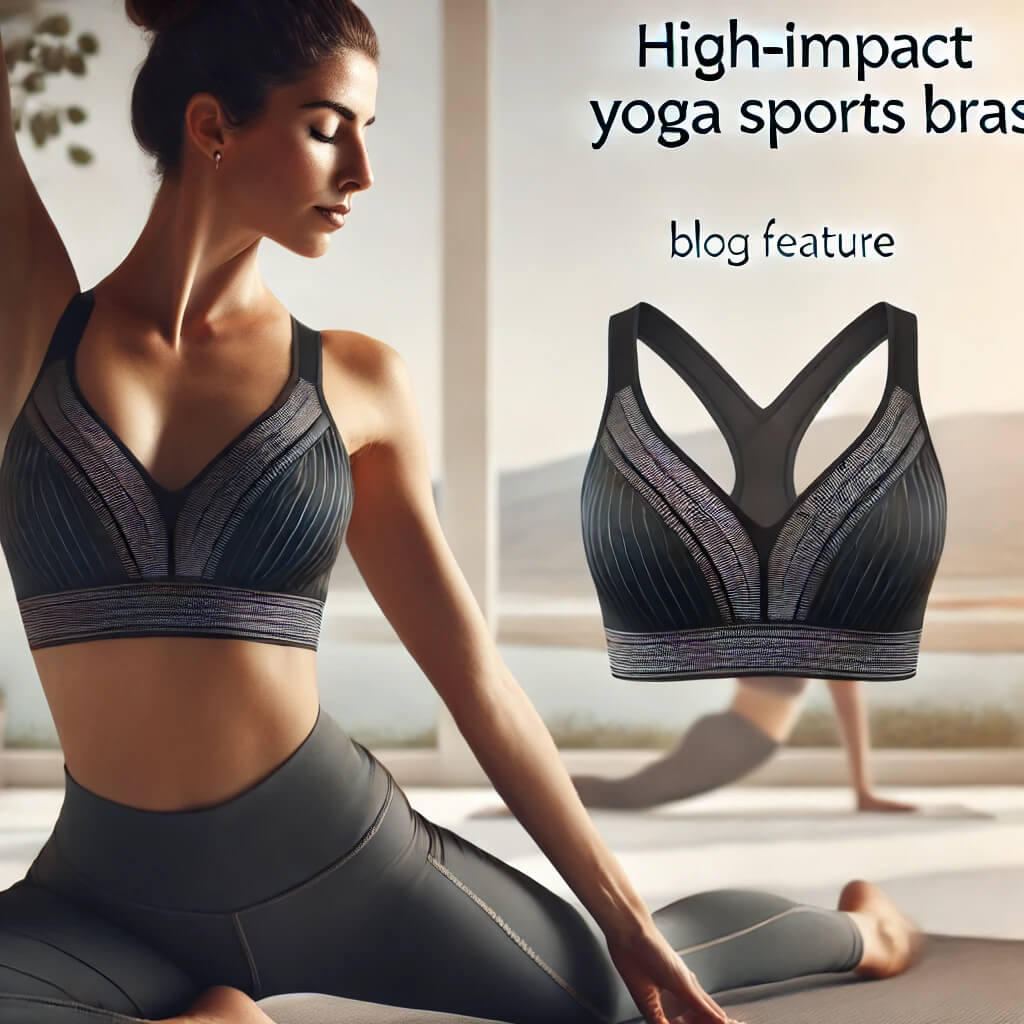
Finding a supportive sports bra for a fuller bust should not feel like a guessing game. The best option is the one that keeps movement controlled without digging, rubbing, spilling, or making it difficult to breathe. Brand labels such as “high impact” can be useful, but fit matters more than the wording on the tag.
Quick answer
For running and jumping, start with an encapsulation or combination sports bra with cup-specific sizing, a firm adjustable band, wide straps, and full coverage. For walking, yoga, or strength training, a medium-support bra may be enough if it passes the movement test and stays comfortable.
What matters most for a fuller bust?
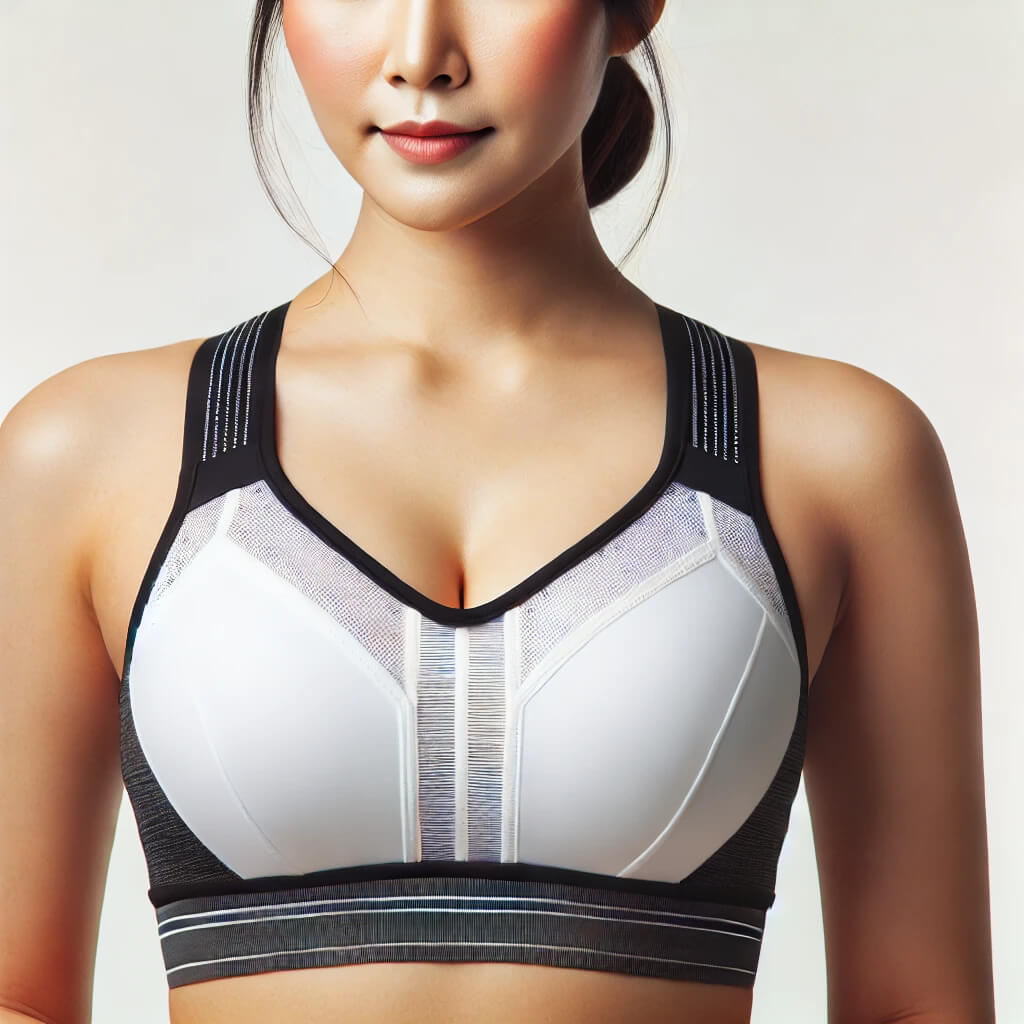
A supportive sports bra works as a system. The band provides most of the support, the cups control movement, and the straps fine-tune the fit. If one part is doing all the work, the bra is unlikely to stay comfortable through a full workout.
- A firm, level band: it should sit straight around the torso and should not ride up when you lift your arms.
- Complete cup coverage: breast tissue should stay inside the cups without bulging at the top or sides.
- Adjustable straps: wide straps can feel more comfortable, but they should not be tightened enough to carry the entire load.
- Stable fabric: some stretch is useful, but very soft fabric may not control movement during high-impact exercise.
- A practical closure: a back or front closure can make a firm bra easier to put on and adjust.
Compression, encapsulation, or combination?
| Style | How it works | Best starting point |
|---|---|---|
| Compression | Holds the breasts closer to the chest | Low- to medium-impact activity, depending on fit |
| Encapsulation | Supports each breast in a separate cup | Fuller busts and activities needing more control |
| Combination | Uses individual cups plus compression | Running, jumping, and other high-impact workouts |
There is no rule that every fuller-bust shopper must wear an underwire. A well-designed wire-free bra can be supportive, while an underwire bra only works well when the wire sits around—not on—breast tissue.
Choose support for the activity
Low impact: yoga, Pilates, and walking
Comfort and freedom of movement are the priorities. Look for a secure band, breathable fabric, and enough coverage for bending or stretching. Our yoga sports bra guide explains how to balance flexibility and support.
Medium impact: hiking, cycling, and strength training
A structured band and separate cups can improve stability without the very firm feel of a running bra. Check that the neckline stays in place during forward bends and overhead movements.
High impact: running, court sports, and HIIT
Start with combination or encapsulation construction, cup-specific sizing, and multiple adjustment points. If you need more detail, compare the features in our high-impact sports bra guide.
How to check the fit in five minutes
- Fasten the band: start on the loosest hook of a new bra. It should feel firm and remain level.
- Scoop into the cups: lean slightly forward and gently bring tissue from the sides into each cup.
- Check every edge: look for gaps, wrinkles, overflow, or a center panel that does not sit as designed.
- Adjust the straps: shorten them only enough to remove slack. The band—not the straps—should provide most of the support.
- Move before deciding: raise your arms, twist, bend, jog in place, and do a few jumps. Nothing should rub, pinch, or shift significantly.
Do not rely only on the size printed on your everyday bra. Sizing varies between brands and sometimes between styles from the same brand. Use the current brand’s size chart and try a nearby band or cup size when the fit is close but not correct.
Common fit problems and simple fixes
- The band rides up: try a smaller band while adjusting the cup size as needed.
- The cups overflow: try a larger cup or a style with more coverage.
- The cups wrinkle or gap: try a smaller cup or a different cup shape.
- The straps dig in: loosen them slightly and check whether the band is firm enough.
- The underwire sits on tissue: stop wearing that size or shape; try a wider or larger cup, or a wire-free design.
- Chafing appears: inspect seams, band movement, and damp fabric. A more stable fit or smoother construction may help.
Affiliate comparison option
Compare WANAYOU sports bras
WANAYOU offers front-closure and everyday active styles that may appeal to shoppers who value easy dressing and broad coverage. Because support level and sizing vary by style, check the product description, size chart, and return terms before buying—especially for running or a fuller bust.
Best used as a comparison option—not every style is designed for high-impact support.
Fabric and comfort details worth checking
Moisture-managing fabric can feel better during sweaty workouts, but construction is just as important. Smooth seams, soft binding around the armholes, and a band that does not fold can reduce irritation. Avoid fabric softener when washing because it may affect stretch and moisture-management finishes. Fasten hooks, use a wash bag if possible, and air-dry the bra to protect its elastic.
When should a sports bra be replaced?
There is no universal calendar date. Replace it when the band stays loose on the tightest setting, the fabric no longer recovers, the cups or seams change shape, hardware becomes uncomfortable, or movement control is noticeably worse. Rotating between bras and washing them gently may help them last longer.
Frequently asked questions
Should a sports bra feel very tight?
It should feel firm and secure, not painful or restrictive. You should be able to breathe normally. Numbness, sharp pressure, deep marks, or difficulty breathing are signs to remove it and try another size or style.
Is a smaller size better for reducing bounce?
No. Sizing down can create spillage, pressure, and chafing without providing balanced support. Choose the correct band and cup fit, then select a support level designed for the activity.
Are front-zip sports bras good for large busts?
They can be convenient and supportive, but the zipper alone does not determine support. Look for a protective zipper backing, secure top closure, stable band, suitable cup capacity, and clear activity rating.
Can one sports bra work for every workout?
Possibly, but many people prefer different support levels. A soft bra may be more comfortable for yoga, while running usually benefits from a more structured design. See our broader sports bra buying guide for more comparisons.
Bottom line
For a fuller bust, begin with the band and cup fit—not the brand name or a generic “high support” label. Match the construction to your activity, test movement before committing, and return any bra that digs, rubs, spills, or shifts. The best sports bra is the one you can trust through the entire workout.
Affiliate disclosure: This article contains an affiliate link. If you buy through it, HalaraApp.com may earn a commission at no extra cost to you. Our recommendations are based on product fit and reader usefulness, and we do not claim that every linked style will suit every body or activity.