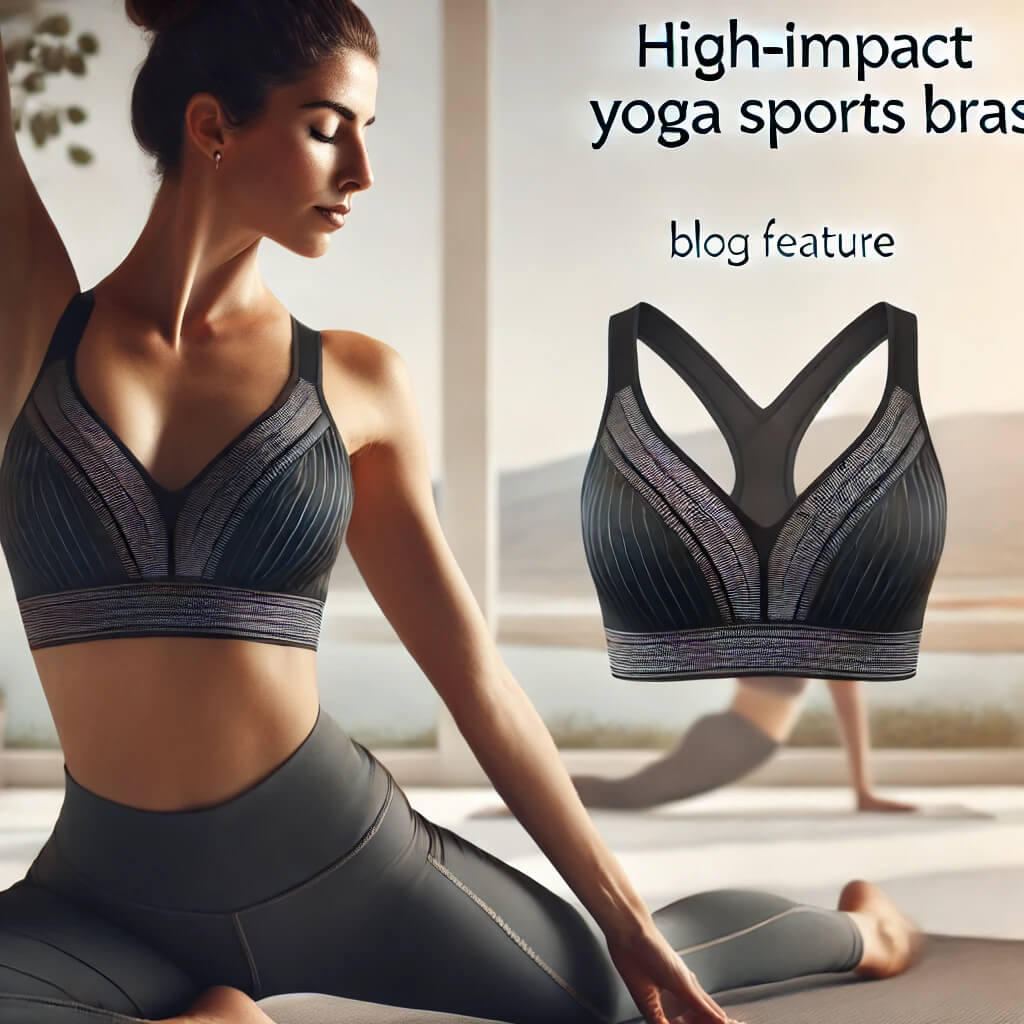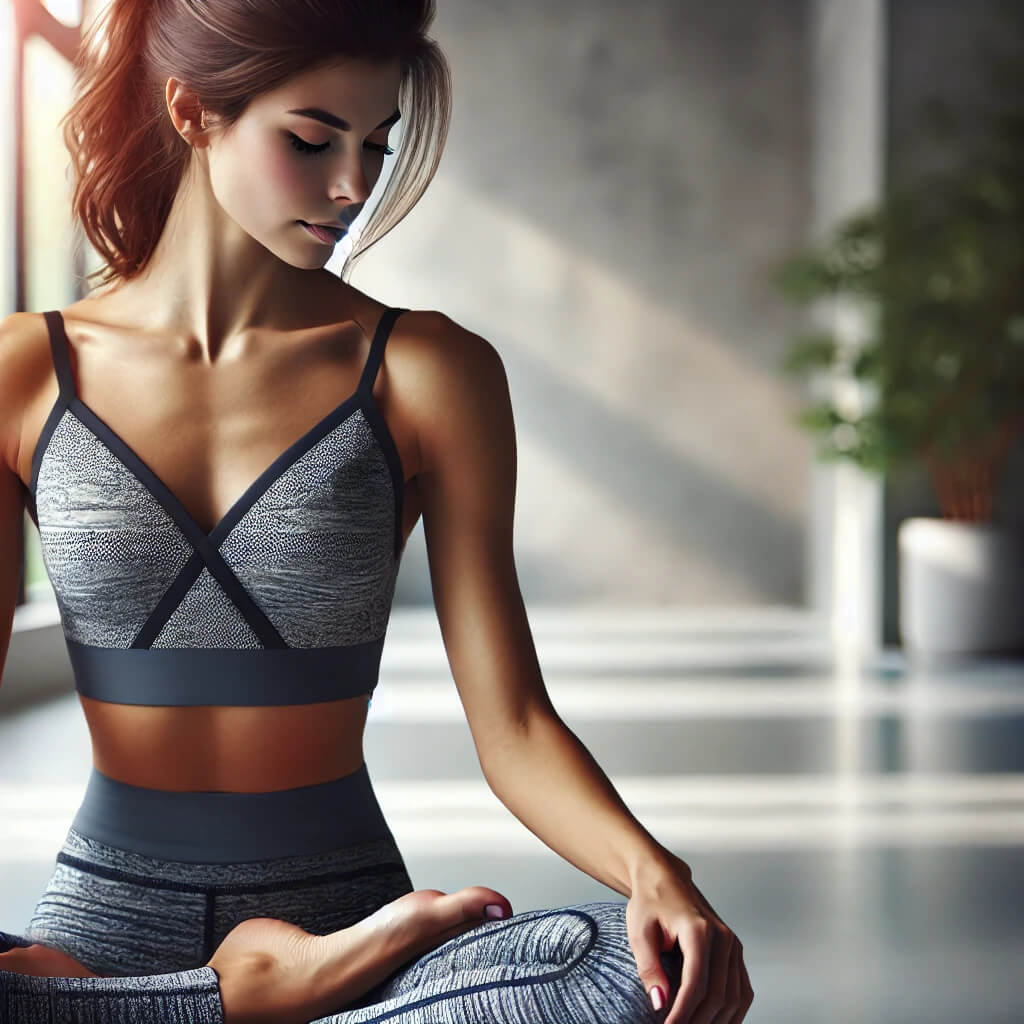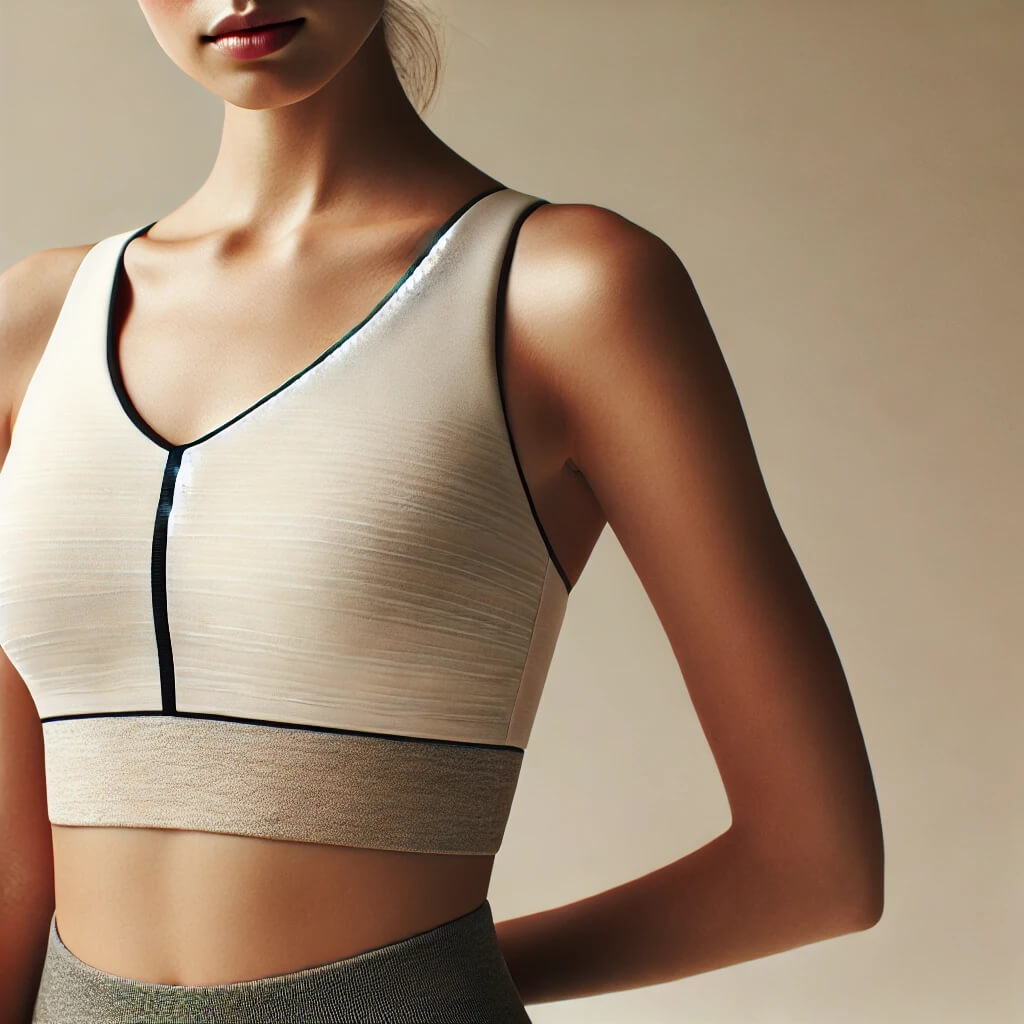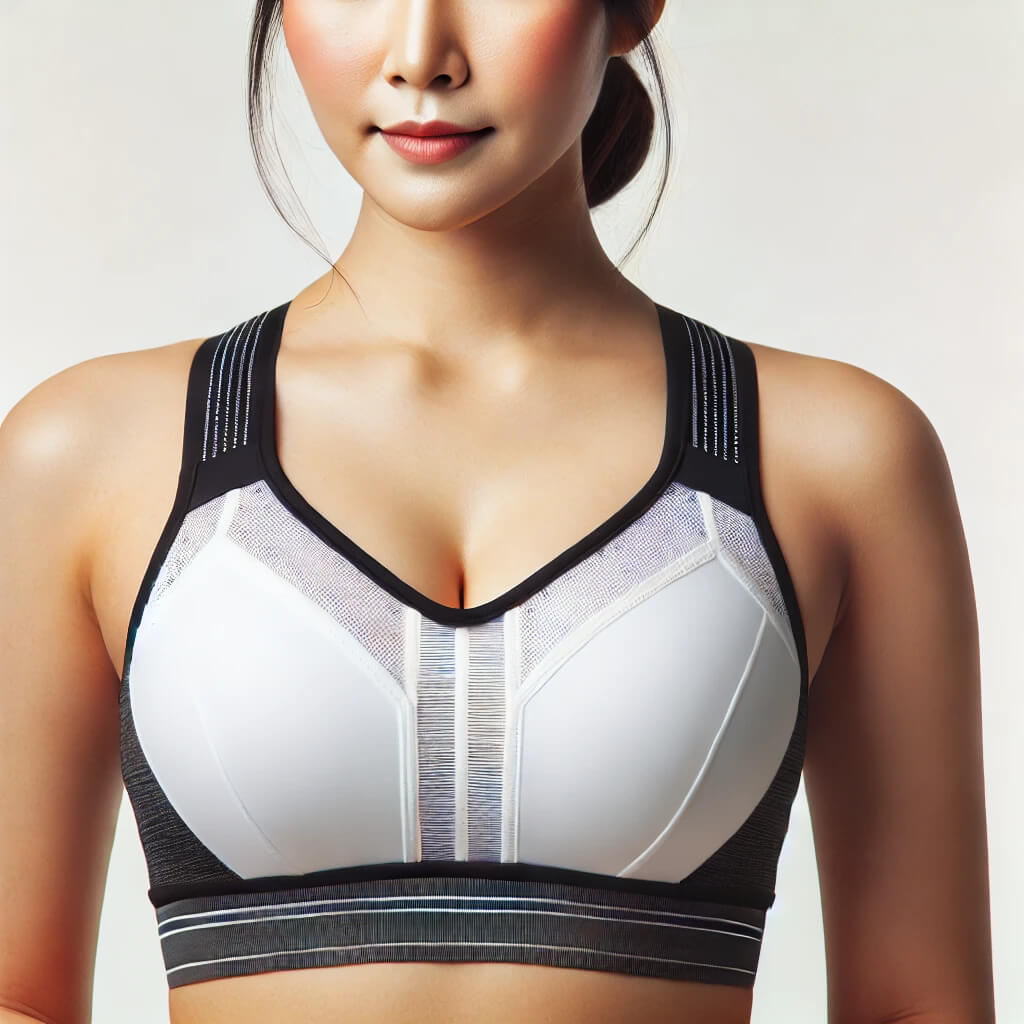
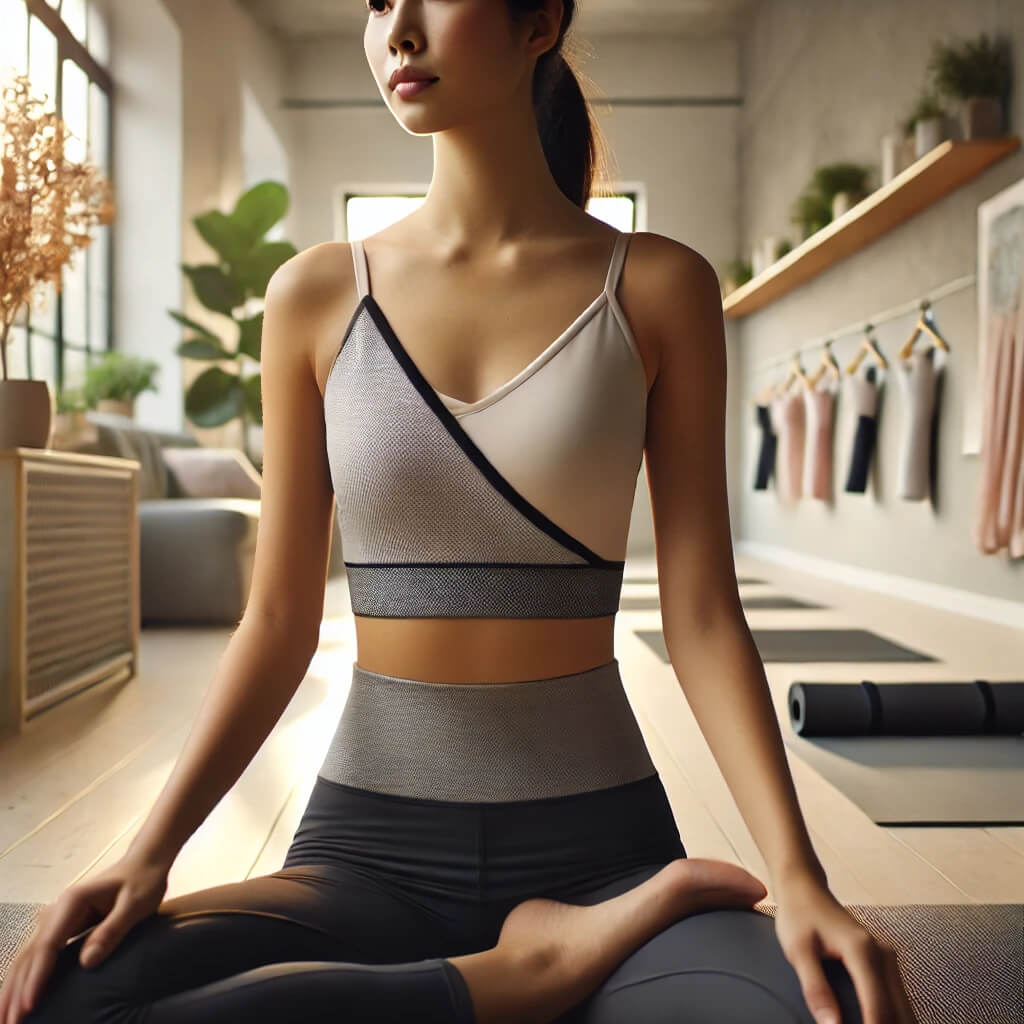
Quick answer: A low-impact sports bra provides light, flexible support for activities with limited breast movement, such as yoga, Pilates, stretching, walking, strength training with controlled movement, and everyday wear. It should feel secure without heavy compression—but it is usually not the right choice for running, jumping, HIIT, or court sports.
Last reviewed: October 2026. Product ranges, fabrics, and prices change frequently, so use the fit criteria below and confirm specifications on the current product page before buying.
Low-impact bra checklist
- The band stays level and does not ride up.
- Cups contain the breast tissue without spilling or gaping.
- Straps stay in place without carrying all the load.
- You can breathe deeply and move through a full range of motion.
- The fabric and seams do not rub during your planned activity.
- The support level matches the movement—not only the style.
Sports-bra shopping option
Compare WANAYOU sports bras
WANAYOU carries front-zip, racerback and other sports-bra styles. Before buying, compare the listed support level, size chart, closure, padding and return terms with the fit checklist above—especially if you need fuller-bust support or plan to run.
Compare WANAYOU Sizes & Styles →
Shopping link opens the retailer’s current sports-bra collection. Prices and availability can change.
What is a low-impact sports bra?
“Low impact” describes the activity and expected movement, not the quality of the bra. These bras generally use lighter compression or soft encapsulation, stretch fabrics, wire-free construction, and less rigid hardware than high-impact designs.
They prioritize comfort and mobility. That makes them useful for slower sessions and daily wear, but the same flexibility may allow too much movement during running or repeated jumping.
When should you wear one?
| Usually suitable | Choose more support when needed |
|---|---|
| Yoga and restorative yoga | Running and sprinting |
| Pilates and barre | HIIT and plyometrics |
| Mobility and stretching | Jump-rope workouts |
| Walking and casual cycling | Football, basketball, or tennis |
| Controlled strength training | Activities with repeated jumping or rapid direction changes |
| Travel, lounging, and everyday wear | Any activity where you notice uncomfortable movement |
Support needs are personal. Breast size, tissue, pace, movement pattern, and preference all matter. Someone with a fuller bust may prefer medium support even for yoga, while another shopper may be comfortable in a light-support bra.
How should a low-impact sports bra fit?
1. Start with the band
The band provides much of the support. It should sit level around your rib cage and stay in place when you raise your arms. If it rides up, the band may be too loose. If it restricts breathing or leaves painful marks, it may be too tight.
2. Check cup coverage
Breast tissue should remain contained when you bend forward, twist, and reach overhead. Spillage usually indicates insufficient cup space or coverage. Wrinkling or gaping can indicate excess space, although cup shape also affects fit.
3. Test the straps
Straps should not slide or dig in. Adjustable straps offer more control, but a comfortable non-adjustable style can work if the overall proportions suit you. If tightening the straps is the only way to feel supported, reassess the band and cup fit.
4. Move before deciding
Try the motions you plan to perform: a forward fold, overhead reach, twist, downward dog, squat, and a few brisk steps. Check for shifting, rolling, rubbing, or a neckline that exposes more than expected.
How to measure for a sports bra
- Measure snugly around the rib cage directly under the bust.
- Measure around the fullest part of the bust without compressing the tissue.
- Use the size chart for the exact product; brand sizing is not universal.
- If the bra uses XS–3X sizing, compare both band and bust measurements.
- Read recent fit reviews, especially from shoppers with similar measurements.
For a detailed measurement walkthrough, see our yoga sports bra fit guide.
Which design features matter?
Neckline and coverage
A higher neckline can provide more coverage during forward folds and inversions. A lower neckline may feel cooler but can be less secure depending on cup shape and breast volume.
Racerback, cross-back, or straight straps
Racerback and cross-back designs can keep straps away from the shoulder blades, but fixed straps may be harder to adjust. Straight adjustable straps are easier to fine-tune and may work better for uneven shoulders or a long or short torso.
Longline band
A longline design spreads pressure across a larger area and can double as a crop top. Make sure the lower edge does not roll when you bend or sit.
Removable pads
Pads can add shape and coverage, but they may fold or shift in the wash. If you dislike repositioning inserts, look for sewn-in cups, molded fabric, or an unpadded double-layer design.
Seams and hardware
Minimal seams can reduce rubbing, while carefully placed seams can improve shape. Check clasps, strap adjusters, and cut-out edges in the positions used during floor exercises.
Fabric: what to look for
Nylon or polyester blended with elastane is common because it stretches and dries faster than everyday cotton. A cotton-rich bra may feel soft for lounging or gentle practice but can stay damp longer after sweating.
- For warm sessions: prioritize breathable panels, lighter fabric, and moisture management.
- For coverage: check whether the material becomes sheer when stretched.
- For sensitive skin: inspect seam placement, labels, mesh, and exposed elastic.
- For longevity: follow the care label and avoid excessive heat.
Low, medium, or high impact?
| Support level | Typical use | Common construction |
|---|---|---|
| Low | Yoga, Pilates, walking, mobility | Flexible band, lighter compression, soft straps |
| Medium | Hiking, cycling, dance, moderate gym sessions | Firmer band, broader straps, more structured cups |
| High | Running, jumping, HIIT, court sports | Strong compression and/or encapsulation, secure band, adjustable support |
If your activity sits between categories, choose based on actual movement and comfort. Compare our medium-impact guide and high-impact guide.
Low-impact sports bras for larger busts
“Low impact” does not have to mean narrow straps or minimal coverage. Shoppers with fuller busts may prefer:
- a wider, firmer underband;
- adjustable straps;
- higher coverage at the neckline and sides;
- separate cup shaping or light encapsulation;
- hook-and-eye adjustment for easier entry and band control;
- cup-specific sizing rather than only S, M, or L.
If a light-support design does not feel secure during yoga or walking, moving to medium support is reasonable. The label matters less than comfortable movement.
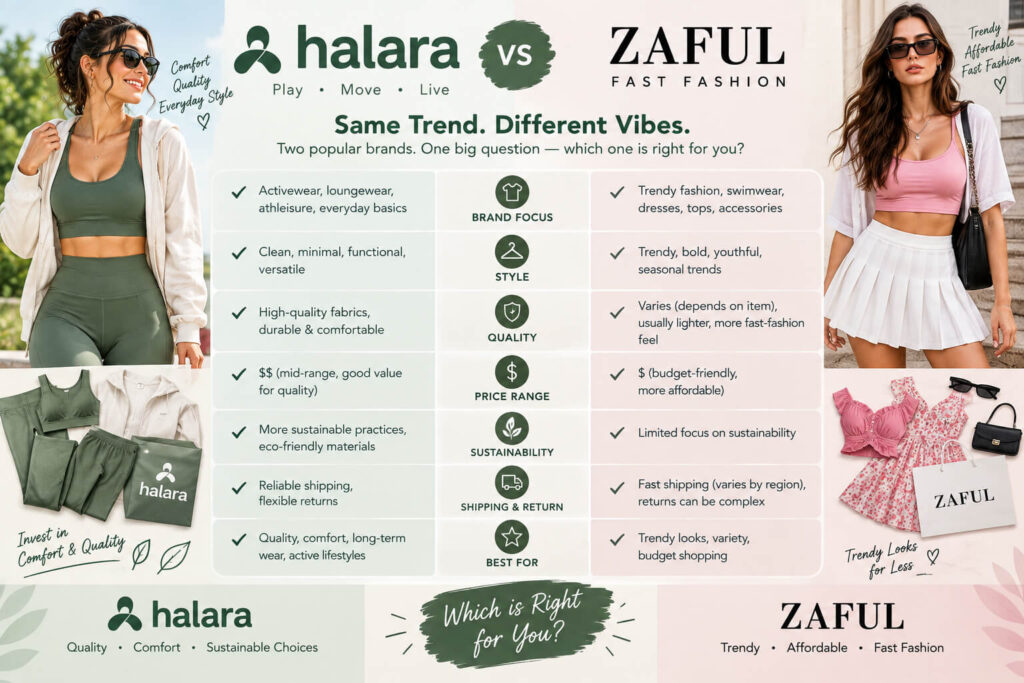
How to evaluate Halara low-support bras
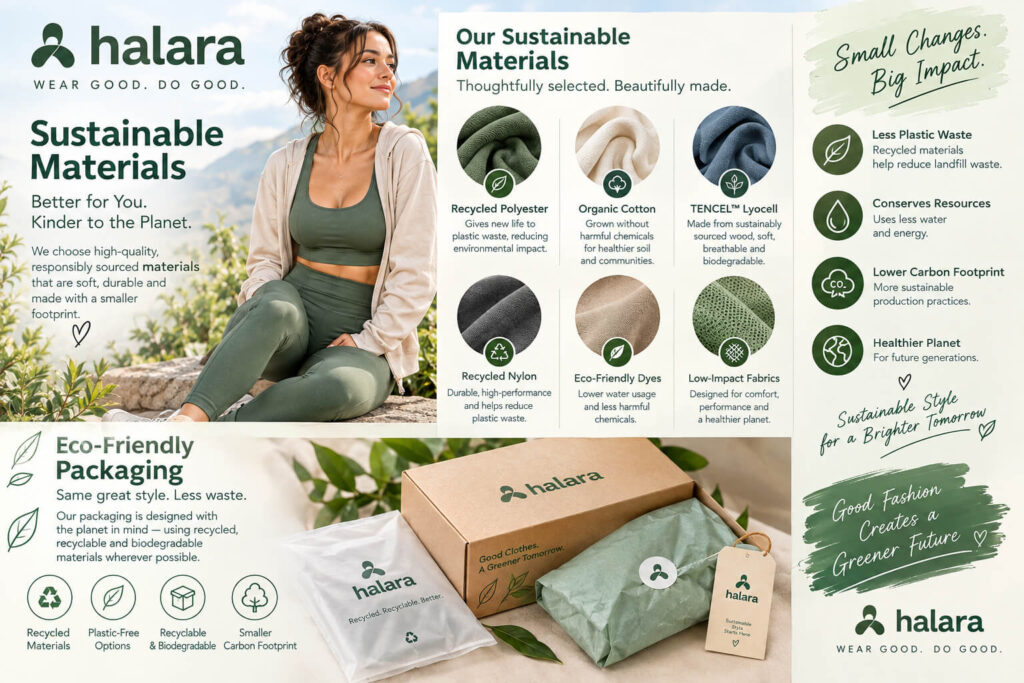
Halara offers sports bras with different necklines, strap layouts, cup ranges, and branded fabrics. Availability changes, so avoid choosing only from a product name or promotional image.
On the current product page, verify:
- the stated support level and intended activity;
- cup range and whether the style is designed for your proportions;
- exact fabric composition;
- whether pads are removable or sewn in;
- recent reviews addressing band fit, coverage, and strap comfort;
- return eligibility—bras may be excluded from returns in some policies or regions.
Browse our sports bra hub for related fit and support guides. This site is independent and is not Halara customer support.
Care tips
- Follow the garment’s care label.
- Fasten hooks and remove pads if the instructions recommend it.
- Use a mesh laundry bag for machine washing.
- Choose a gentle cycle and avoid fabric softener when the label advises against it.
- Air-dry away from high heat, which can shorten elastic life.
- Rotate bras so the elastic can recover between wears.
Replace a bra when the band no longer stays secure, straps cannot be adjusted effectively, fabric remains stretched, or support has noticeably declined. There is no universal replacement date; frequency of wear and care make a major difference.
Frequently asked questions
Can I wear a low-impact sports bra all day?
Yes, if it fits comfortably, does not cause rubbing or pressure, and provides the coverage you want. Remove or change it if you experience pain, skin irritation, or breathing restriction.
Are low-impact bras good for Pilates and barre?
They are commonly suitable because these activities usually involve controlled movement. Choose more support if your class includes jumping or faster cardio intervals.
Can I run in a low-impact bra?
Most people will need more support for running. Use a high-impact or running-specific bra if a light-support design allows uncomfortable movement.
Should a yoga bra be loose?
No. It should be comfortable and flexible, but the band still needs to remain secure. A loose band can shift and provide little support.
Are padded sports bras better?
Padding mainly affects shape, coverage, and modesty. It does not automatically provide better support; the band, cup construction, straps, and overall fit are more important.
Bottom line
The best low-impact sports bra is the one that stays secure through your actual movement without unnecessary compression. Start with band and cup fit, test the bra in yoga-like positions, and choose features that suit your body and routine. Move up to medium or high support whenever comfort or control requires it.
Editorial note: We do not call a product “best” solely because it is popular or discounted. Fit, activity, construction, and current product information determine whether it is suitable.
Affiliate disclosure: This article contains an affiliate link. If you purchase through it, we may earn a commission at no extra cost to you. Our fit and support guidance remains independent.