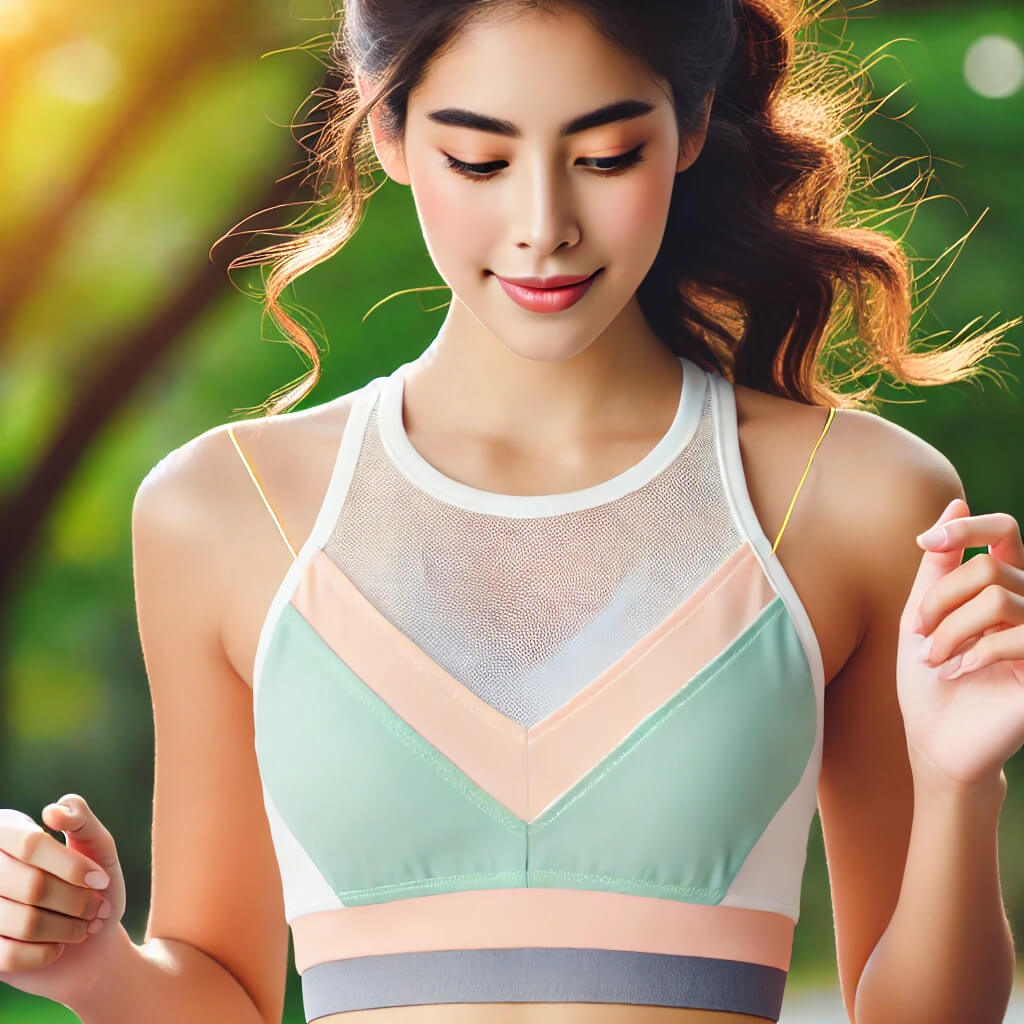
Quick answer: A girl may benefit from a sports bra whenever breast development or movement makes exercise uncomfortable—not at one fixed age. The best option feels secure without restricting breathing, stays in place during the intended activity, and lets the young person participate in choosing the fit and coverage.
Last reviewed: October 2026. This guide is educational, not medical advice. Bodies develop at different rates, and product sizing varies.
Parent-and-athlete buying checklist
- Let the wearer decide when more coverage or support would feel helpful.
- Match support to the activity: gentle, moderate or high movement.
- Measure the rib cage and chest, then use the exact product’s size chart.
- Check for a level band, contained cups and straps that do not dig.
- Test the bra with the movements used in the sport.
- Choose breathable fabric and smooth seams if skin is sensitive.
- Confirm the retailer’s return rules before removing tags.
When should a girl start wearing a sports bra?
There is no universal starting age. Puberty begins at different times, and the American Academy of Pediatrics notes that breast development commonly begins during puberty and may start on one side before the other. A training bra can be offered when a young person requests one or when added coverage would make her more comfortable.
A sports bra becomes useful when physical activity causes tenderness, unwanted movement, rubbing or self-consciousness. Some children want one early for coverage; others do not need one until later. Comfort and choice are better guides than age or cup size.
According to the NHS puberty guidance, puberty normally begins across a broad age range. Speak with a pediatrician or GP if development seems unusually early or delayed, or if there is persistent pain, a new concerning lump, nipple discharge, skin change or another symptom causing worry.
Training bra vs sports bra
| Type | Main purpose | Usually best for |
|---|---|---|
| Training bra or bralette | Light coverage and everyday comfort | School, home and early development |
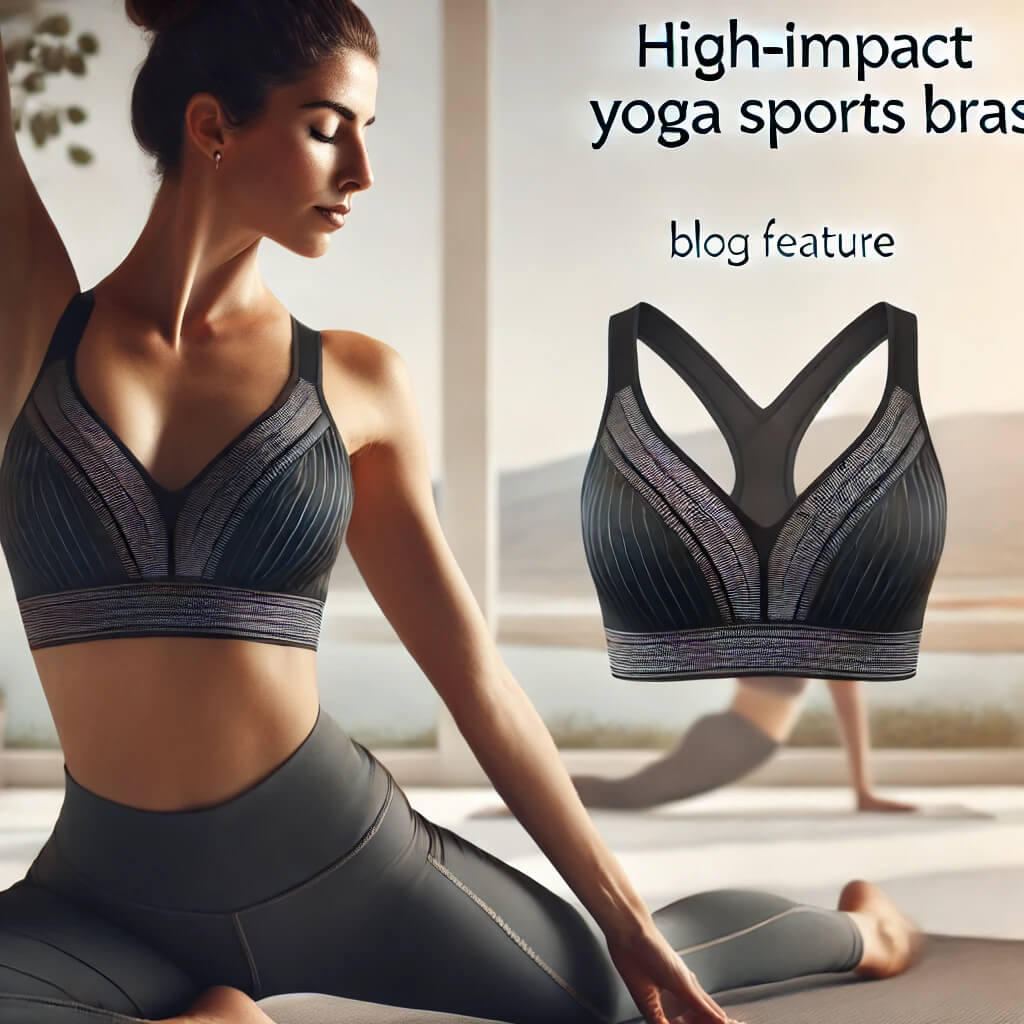
| Low-support sports bra | Flexible support with limited compression | Yoga, walking, stretching and gentle classes |
| Medium-support sports bra | More band stability and movement control | Dance, cycling, gym class and many team practices |
| High-support sports bra | Stronger control for repeated impact | Running, basketball, jumping and intense court sports |
The label is only a starting point. Support needs vary with body development, pace and personal preference. If the bra shifts or movement remains uncomfortable, try a different size, shape or support level.
How to measure for a girls’ sports bra
- Use a soft tape to measure around the rib cage directly under the chest. Keep it level and snug, not tight.
- Measure around the fullest part of the chest without compressing the body.
- Compare both measurements with the chart for the exact product.
- If measurements fall between sizes, read the brand’s fit notes rather than automatically choosing the tighter option.
- Re-measure periodically during growth or whenever a previously comfortable bra starts feeling different.
Letter sizes are not consistent across brands. The correct size is the one that passes the fit and movement checks below.
Five fit checks
1. The band stays level
The band should sit straight around the rib cage and remain in place when both arms are raised. Riding up often means the band is too loose. Painful pressure or difficulty taking a full breath means it is too tight.
2. The chest is comfortably contained
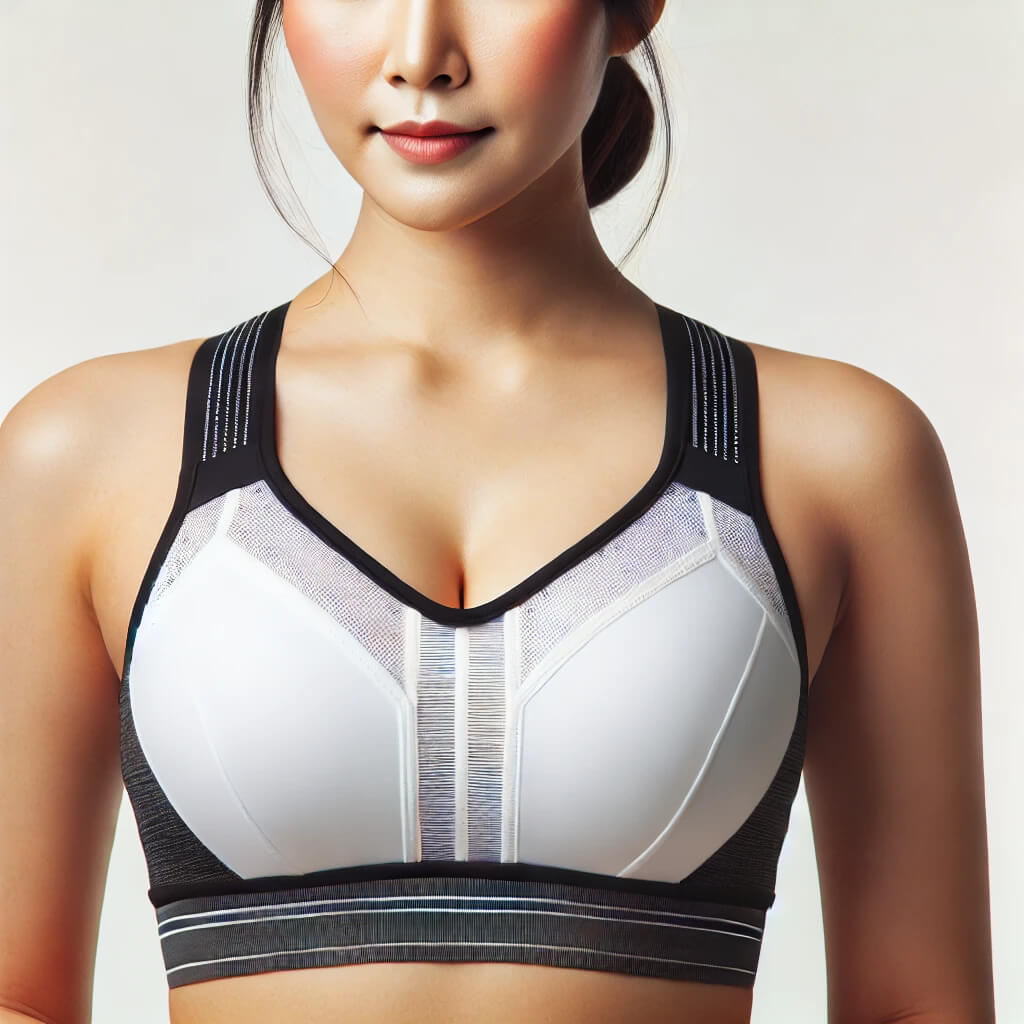
There should be no painful compression, spilling at the neckline or sides, or large areas of gaping. During development, a flexible design may accommodate small changes better than a rigid molded shape.
3. Straps stay in place
Straps should not slip or dig into the shoulders. Adjustable straps can help during growth, but they should not be tightened to compensate for a loose band.
4. Seams and hardware do not rub
Check the underarms, lower band, strap edges and any zipper or hook. Smooth seams may be especially useful for long practices or sensitive skin.
5. The bra works during movement
Try jogging in place, jumping, reaching overhead, bending and twisting. The bra should remain secure without pinching, rolling or requiring repeated adjustment.
Choosing support for different activities
| Activity | Starting support level | Useful features |
|---|---|---|
| Yoga, walking, stretching | Low | Soft band, flexible fabric, comfortable coverage |
| Dance, cycling, school PE | Low to medium | Stable band, wider straps, moisture management |
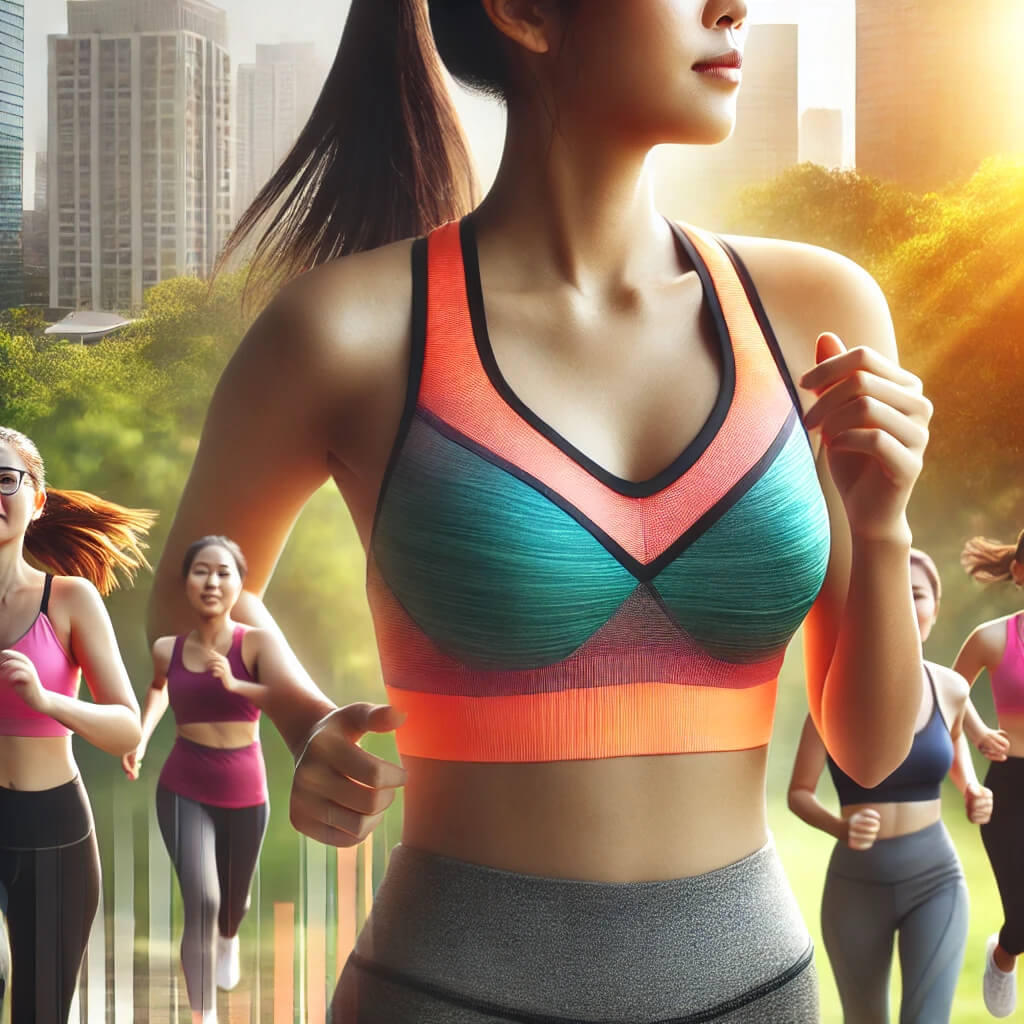
| Running, basketball, soccer | Medium to high | Secure cups, firm band, supportive straps |
| Gymnastics or cheer | Depends on routine | Secure neckline, smooth seams, full range of motion |
These are starting points, not rules. Choose more support whenever movement is uncomfortable. For general construction details, see our low-impact, medium-impact and high-impact sports bra guides.
Features that make a sports bra easier to wear
- Soft, breathable fabric: helps manage sweat and reduces clammy discomfort.
- Flat or covered seams: may reduce rubbing during longer sessions.
- Wide straps: can spread pressure across the shoulders.
- Adjustability: useful as proportions change.
- Front closure: may be easier for some wearers, but the zipper should have a protective backing.
- Removable pads: offer optional coverage but can fold in the wash.
- Tag-free design: may help children with sensory sensitivity.
Comfort, privacy and body confidence
A bra fitting should be practical and respectful. Offer choices in color, coverage and changing-room privacy. Avoid comments about body shape or “looking older.” The goal is comfortable participation in everyday life and sport.
Never force a tighter size to create more compression. For gender-diverse young people who want a flatter appearance, ordinary sports bras are not the same as purpose-made binders; the American Academy of Pediatrics recommends discussing safe compression with an understanding clinician.
Common fit problems and fixes
- Band rides up: try a smaller band or a style with better adjustment.
- Straps dig in: loosen them or choose wider straps; recheck the band.
- Chafing: look for smoother seams, correct sizing and moisture-managing fabric.
- Gapping: try a smaller cup area or a more flexible shape.
- Painful compression: size up or choose a less compressive construction.
- Too difficult to put on: consider a front closure or adjustable back.
Washing and replacement
Follow the garment’s care label. A mesh laundry bag and gentle cycle can protect straps and removable pads; avoid high heat when the label recommends air-drying. Wash after sweaty use and rotate bras so each one can dry fully.
There is no fixed six- or twelve-month replacement rule. Replace the bra when the band no longer stays secure, fabric remains stretched, hardware is damaged, or the fit becomes uncomfortable. Growth may require a new size sooner.
Frequently asked questions
Does every girl need a sports bra?
No. It is useful when the wearer wants coverage or experiences uncomfortable movement during activity. The decision should be based on comfort and preference.
Can a sports bra be worn all day?
Yes, if it fits comfortably and does not cause rubbing, breathing restriction, pain or skin irritation. Change or remove it if discomfort develops.
Should a sports bra feel very tight?
No. It should be secure but allow a full breath and unrestricted movement. Extreme tightness is not a substitute for correct support.
Are removable pads necessary?
No. They mainly add shape and coverage. Support depends more on the band, cup construction, straps and overall fit.
When should a parent seek medical advice?
Ask a pediatrician or GP about persistent or severe pain, a new concerning lump, nipple discharge, skin changes, development before age eight, no signs of puberty by the expected range, or any symptom causing significant worry.
Bottom line
The best sports bra for a girl is one she feels comfortable wearing, that matches her activity and passes a simple movement test. Start with her preferences, use the product-specific size chart, and reassess the fit as she grows. Supportive clothing should make sport easier—not create pressure about appearance.
Sources and editorial note
- American Academy of Pediatrics: Physical Development in Girls
- American Academy of Pediatrics: Puberty Concerns
- NHS: Early or Delayed Puberty
This article provides general clothing and fit information. It does not diagnose or treat medical conditions.