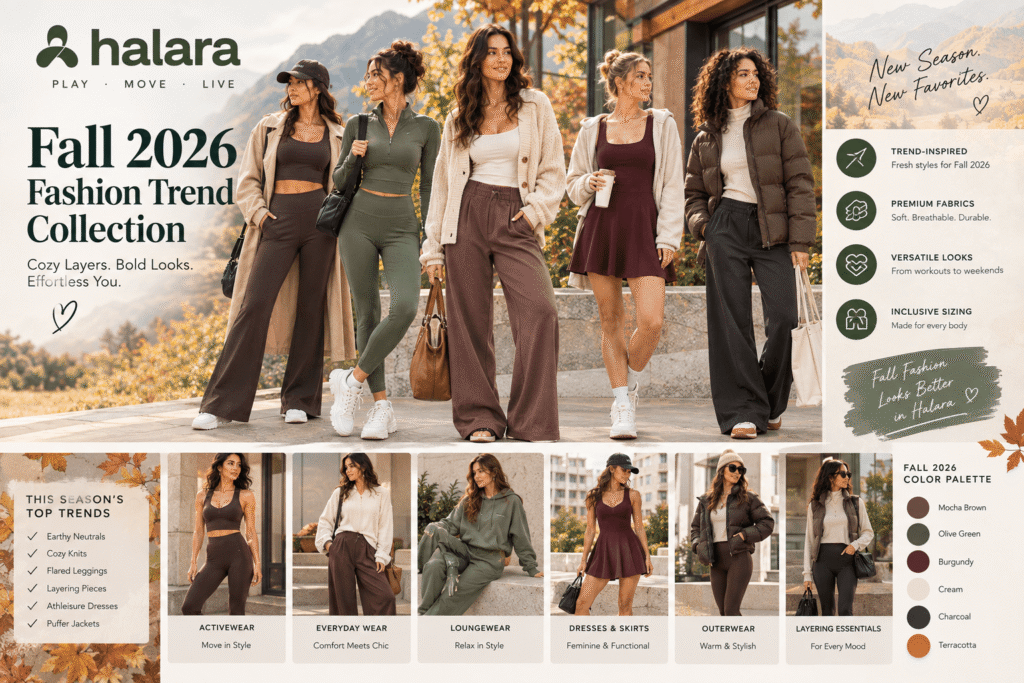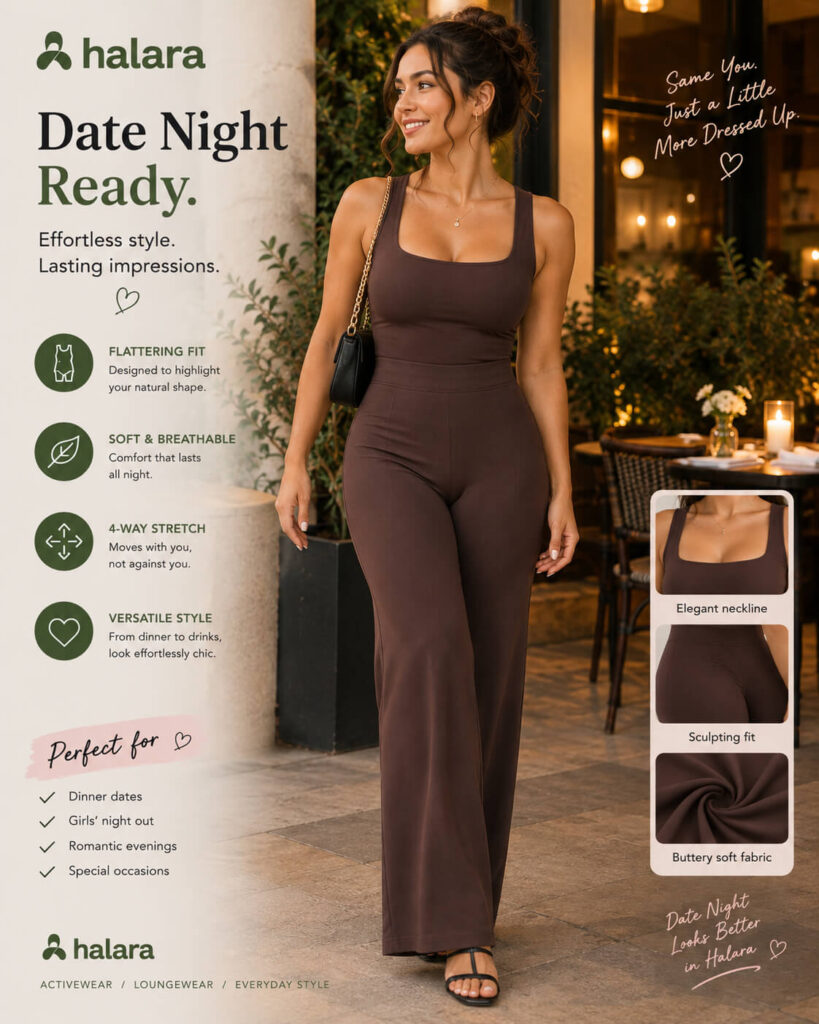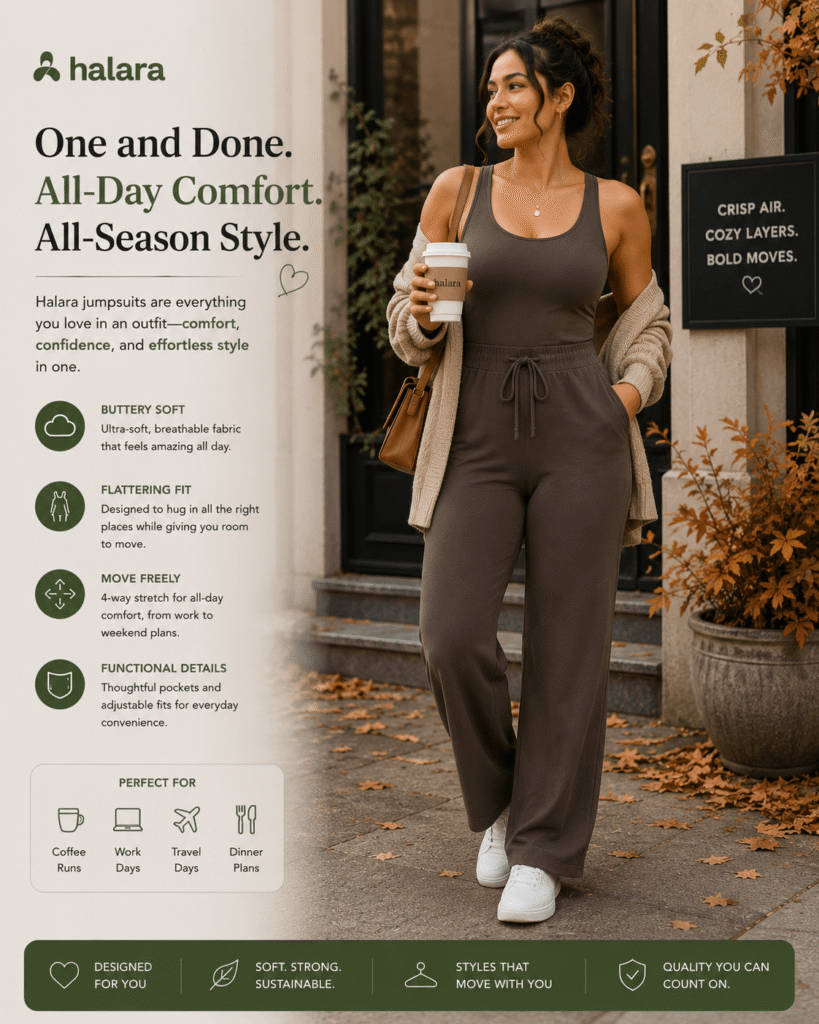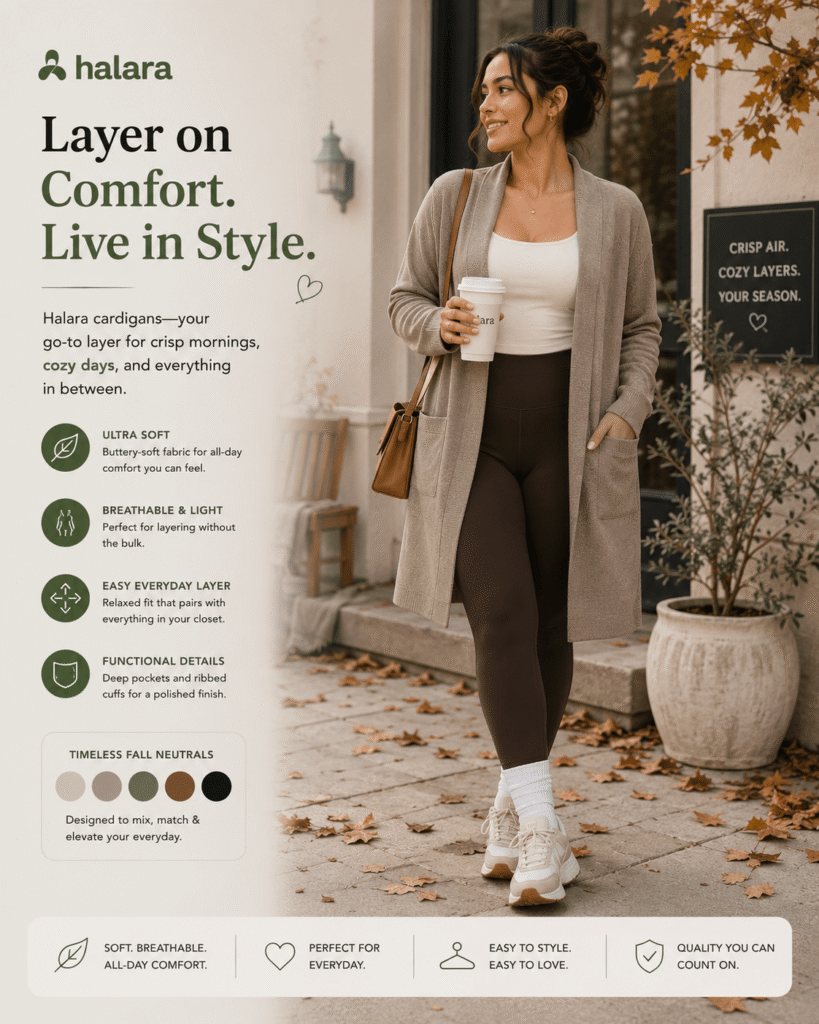
The activewear industry is booming, valued at over $350 billion globally and projected to keep growing. Within this space, Halara has become a household name thanks to its affordable, size-inclusive, and stylish offerings.
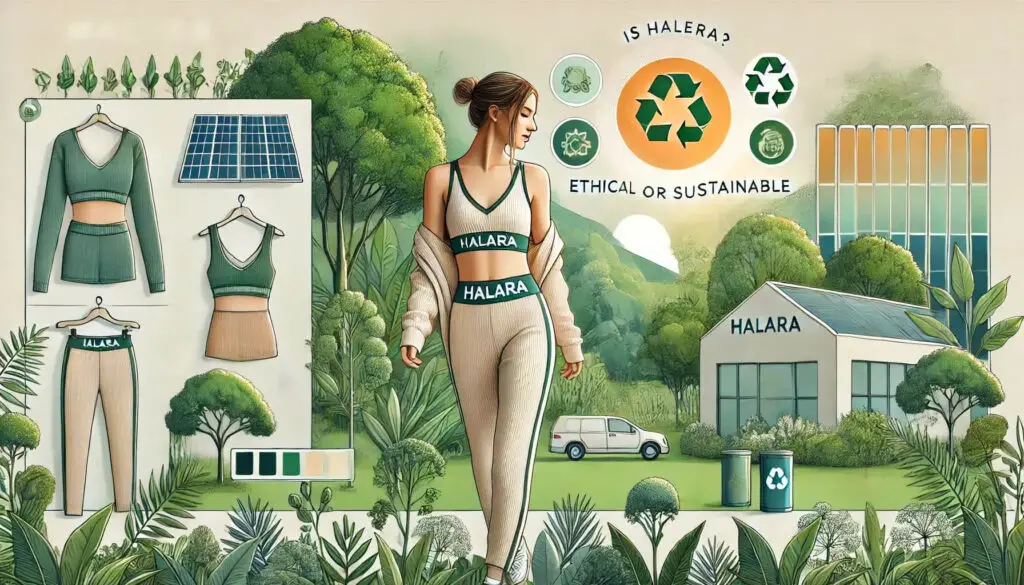
But the big question remains: Is Halara truly ethical and sustainable, or is it just marketing? This article evaluates Halara’s approach to materials, supply chain, labor rights, packaging, and certifications, with comparisons to other leading brands.
Why Ethics & Sustainability Matter in Fashion
Ethical fashion demands more than buzzwords. It means:
-
Fair wages and safe conditions for garment workers (ILO guidelines)
-
Use of eco-friendly fabrics that minimize environmental harm
-
Reduced carbon emissions and water usage
-
Transparency in sourcing and certifications
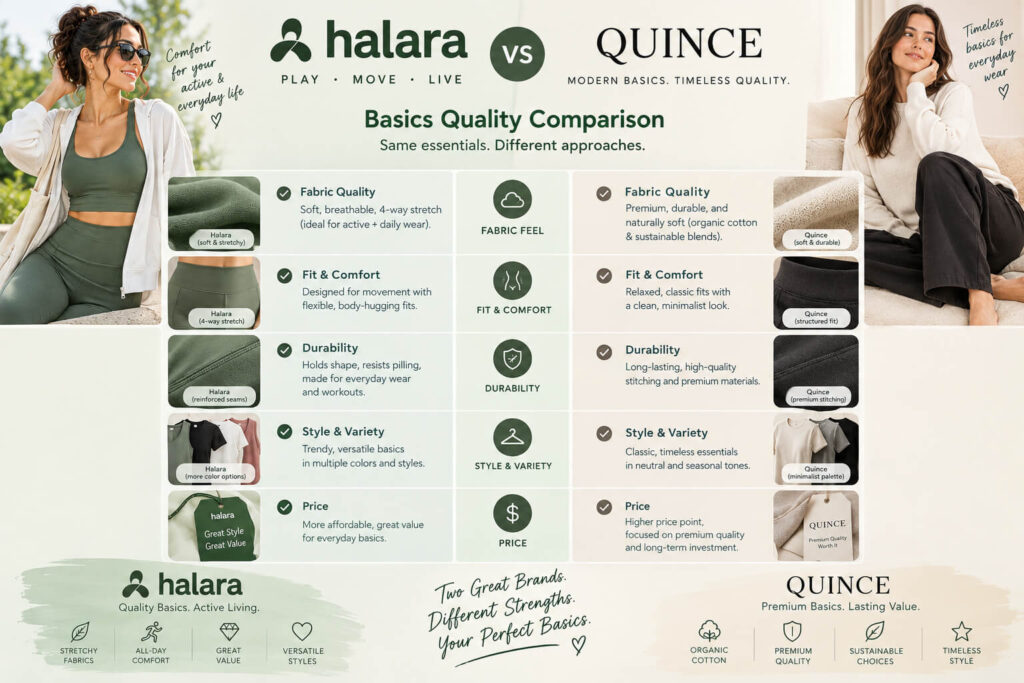
Consumers now pressure brands to avoid greenwashing. For context, see how Halara stacks up in comparisons like Halara vs Lululemon and Halara vs Outdoor Voices.
Halara’s Brand Identity
Origins & Growth
Halara was founded to bring functional, fashionable, and affordable activewear to everyday consumers. It built momentum via social media campaigns and inclusivity messaging.
See Is Halara Legit? for a deeper dive into its reputation and consumer trust.
Mission & Vision
Halara claims a mission to combine accessibility with sustainability, making stylish activewear while exploring lower-impact fabrics and production methods.
Halara’s Sustainability: 6-Pillar Review
1. Sustainable Materials
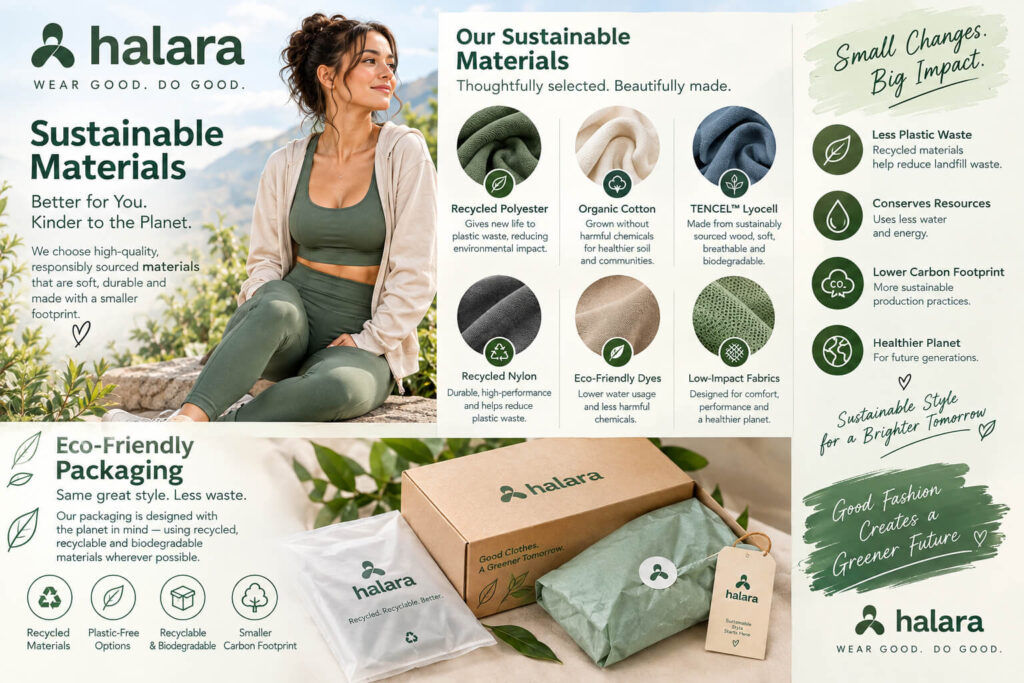
Halara uses recycled polyester and organic cotton in some product lines. It has also tested innovative options like bio-based fabrics.
-
Global Recycled Standard (GRS) verifies recycled materials in supply chains.
-
Organic Cotton Standard ensures integrity of organic fiber claims.
👉 Compare fabric performance in Halara vs Lululemon.
2. Manufacturing & Energy Use
The company says it applies energy-efficient production techniques to lower carbon emissions and minimize textile waste.
External benchmark: UNFCCC Fashion Industry Charter for Climate Action outlines industry carbon goals.
3. Water & Chemicals
Halara claims to reduce water consumption and adopt safer dyeing processes.
For standards, the ZDHC Program sets benchmarks for eliminating hazardous chemicals from textiles.
See transparency comparisons in Halara vs Outdoor Voices.
4. Packaging & Plastics
Halara has introduced recyclable and biodegradable packaging, aiming to minimize plastic waste.
Compare approaches in Fabletics vs Halara.
5. Ethical Labor Practices
Halara highlights fair wages and worker rights through supplier audits. However, it doesn’t yet publish a full supplier list or living wage verification.
External resource: Fair Trade Certified ensures fair labor practices in certified facilities.
For consumer-focused trust issues, see Is Halara Legit?.
6. Certifications & Partnerships
Halara references certifications like:
-
OEKO-TEX® STANDARD 100 – ensures textiles are tested for harmful substances.
-
GRS – validates recycled materials.
-
Fair Trade Certified – supports worker rights.
However, it’s unclear which specific Halara products carry these certifications.
Compare broader brand practices in Halara vs Aerie and Halara vs Shapermint.
What Consumers Say
Customers praise Halara for comfort, affordability, and inclusivity, but often ask for greater transparency.
Style-specific highlights can be seen in Why Halara Dresses Are the Ultimate Choice for All-Day Comfort.
Challenges & Areas to Improve
Halara still faces challenges:
-
Supplier transparency – no published supplier list
-
Certification clarity – vague product-level details
-
Circular fashion – no large-scale recycling or take-back programs
-
Living wages – no public wage verification
Industry leaders like Patagonia show what full transparency can look like.
The Future of Halara
Halara’s stated goals include:
-
Achieving carbon neutrality in the coming decade
-
Scaling zero-waste production pilots
-
Expanding use of bio-based fibers
-
Exploring circular models such as resale and take-back
Want to know more about the company behind Halara? See Who Owns Halara?.
Conclusion
Halara is moving in the right direction with sustainable fabrics, eco-friendly packaging, and inclusivity. However, until it provides supplier transparency, verified product certifications, and circular programs, it cannot be considered fully sustainable.
👉 Verdict: Halara is partially sustainable. Support its progress but continue asking for evidence.
FAQs
Is Halara a sustainable brand?
Partially. It uses recycled fabrics and eco-packaging but lacks supplier and certification transparency.
Does Halara use recycled fabrics?
Yes. Some products use recycled polyester and organic cotton, but not across all lines.
What certifications does Halara have?
It references OEKO-TEX, GRS, and Fair Trade, but does not specify product-level coverage.
Is Halara ethical in its labor practices?
It claims fair wages and audits suppliers, but has not published a supplier list or wage reports.
Does Halara have a recycling program?
Not yet. No large-scale take-back or garment recycling initiative exists.
Related Posts You Might Like
- Is Halara Legit? A Comprehensive Review
- Who Owns Halara? Founder & Brand Story
- Why Ethical and Sustainable Fashion Matters
- How Blockchain Improves Transparency in Fashion Supply Chains
- The Ultimate Guide to Halara: Activewear Redefined